Dealing with clogged drains is a common issue for homeowners in Austin. While some blockages can be cleared with DIY methods, others require professional expertise. Knowing when to call a plumber can save you time, money, and potential damage. Here’s a guide to help you recognize when it’s time to bring in a professional plumber for drain cleaning.
Sommaire
TogglePersistent clogs that don’t go away
If you’ve already tried clearing a clog with a plunger or drain snake but the blockage keeps coming back, it’s time to call a plumber. Persistent clogs may indicate a more serious issue, such as a partially blocked main sewer line, tree root intrusion, or mineral buildup inside your pipes. A plumber will be able to diagnose the underlying cause of the recurring clogs and resolve the problem at its source, ensuring it doesn’t happen again.
Multiple drains are affected
When multiple drains in your home are running slowly or backing up, it’s a sign that there may be an issue with the main sewer line. This could mean that the problem is more widespread than just a single clogged drain. A professional plumber can inspect the entire system, locate the root of the problem, and clear the blockage, restoring proper drainage throughout your home.
Foul odors coming from drains
Bad smells coming from your drains are a clear indication that something is wrong. If you’re noticing persistent foul odors from your kitchen sink, bathroom drain, or toilet, it could be caused by trapped organic material, grease, or a more serious issue like a sewage backup. A plumber can clean and sanitize your drains, removing the source of the smell and ensuring that your plumbing is functioning properly.
Water backing up into fixtures
Water backing up into your sink, bathtub, or toilet is a serious issue that should not be ignored. This can occur when there is a significant clog deep within your plumbing or a blockage in the main sewer line. If you see wastewater backing up into fixtures, it’s essential to contact a plumber immediately to avoid water damage, potential contamination, and the need for expensive repairs.
Gurgling sounds from drains
Gurgling sounds coming from your drains are often caused by air being trapped in your pipes due to a blockage. When water struggles to flow past an obstruction, it causes air bubbles to form, leading to the gurgling noises you hear. This can be an early warning sign that a clog is building up and needs professional attention to prevent a more serious blockage from forming.
You’re not comfortable handling it yourself
Sometimes, drain cleaning requires specialized tools and techniques that go beyond the capabilities of DIY methods. If you’ve tried plunging, snaking, or using natural solutions without success, or if you’re unsure how to proceed, it’s time to call a plumber. Plumbers have the proper tools, experience, and training to safely and effectively clear even the toughest clogs without causing damage to your plumbing system.
Signs of tree root intrusion
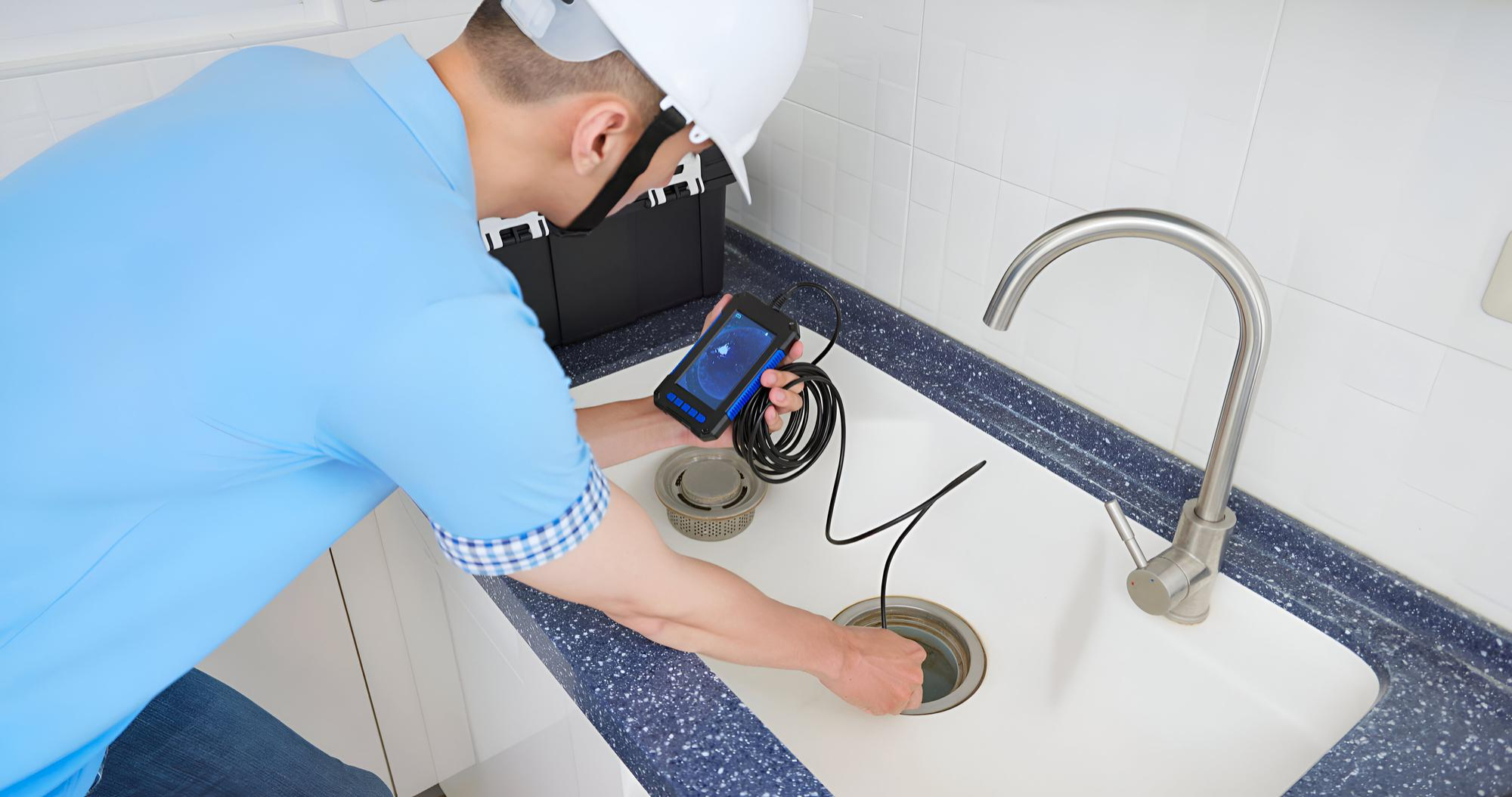
In older homes or homes with large trees nearby, tree roots can infiltrate the pipes, causing blockages and potential pipe damage. If you notice frequent clogs in your plumbing or find that your drains are still slow after cleaning, tree roots could be the issue. A plumber can use specialized equipment, such as a sewer camera, to locate and remove the roots, restoring your plumbing system to proper working order.
Read more : How to tackle slow-moving drains in Austin homes
How to troubleshoot drain issues before calling a plumber
While calling a plumber is often necessary for severe clogs, there are several things you can try first to troubleshoot the issue yourself. Here are some simple methods to address minor drain issues:
Use a plunger
A plunger is often the first step in clearing a clog. For most blockages in sinks, tubs, or toilets, a few strong plunges can dislodge the debris and restore normal flow. Make sure to use the appropriate type of plunger for each drain; for example, a toilet plunger has a flange for sealing the toilet bowl, while a sink plunger works best for smaller drains.
Try a drain snake
A drain snake is a flexible tool that can break through stubborn blockages deeper in the pipes. Insert the snake into the drain and rotate it to break up the clog. Once you feel resistance, continue turning and pulling to dislodge the debris. This method works well for hair, grease, and food buildup, and it can clear most small blockages effectively.
Use baking soda and vinegar
A simple solution like baking soda and vinegar can help clear minor clogs. Pour half a cup of baking soda down the drain, followed by half a cup of vinegar. Let the mixture sit for about 15 minutes, allowing the fizzing action to break down debris. Afterward, flush the drain with hot water to clear away any remaining residue. This is a safe and natural alternative to harsh chemicals.
Boil water
For grease-related clogs, boiling water can be an easy and effective fix. Pour the hot water slowly down the drain in stages, allowing it to break down grease and soap scum that may have built up over time. This method is quick, simple, and ideal for clearing minor blockages in kitchen sinks.
Check for visible obstructions
Sometimes the clog is caused by visible debris like food particles or hair. Remove the drain cover and use your hands or tweezers to pull out any obstructions. This is especially effective for bathroom sinks or tubs, where hair can easily get trapped. Clearing visible debris can sometimes solve the issue without the need for more complex methods.
Avoid harsh chemicals
While it might be tempting to use chemical drain cleaners, they can cause long-term damage to your pipes and harm the environment. Stick with more natural, pipe-safe methods when possible. If you do choose to use chemicals, make sure to follow the manufacturer’s instructions carefully and avoid overuse.
Knowing when to call a plumber for drain cleaning can save you from costly repairs and plumbing disasters. If you experience any of the issues mentioned above, it’s important to get professional help to address the root cause of the problem. However, for minor clogs, you can try basic DIY methods to troubleshoot and resolve the issue yourself. Keeping your drains clear with regular maintenance will ensure that your plumbing system remains in good condition and avoids costly repairs down the road.