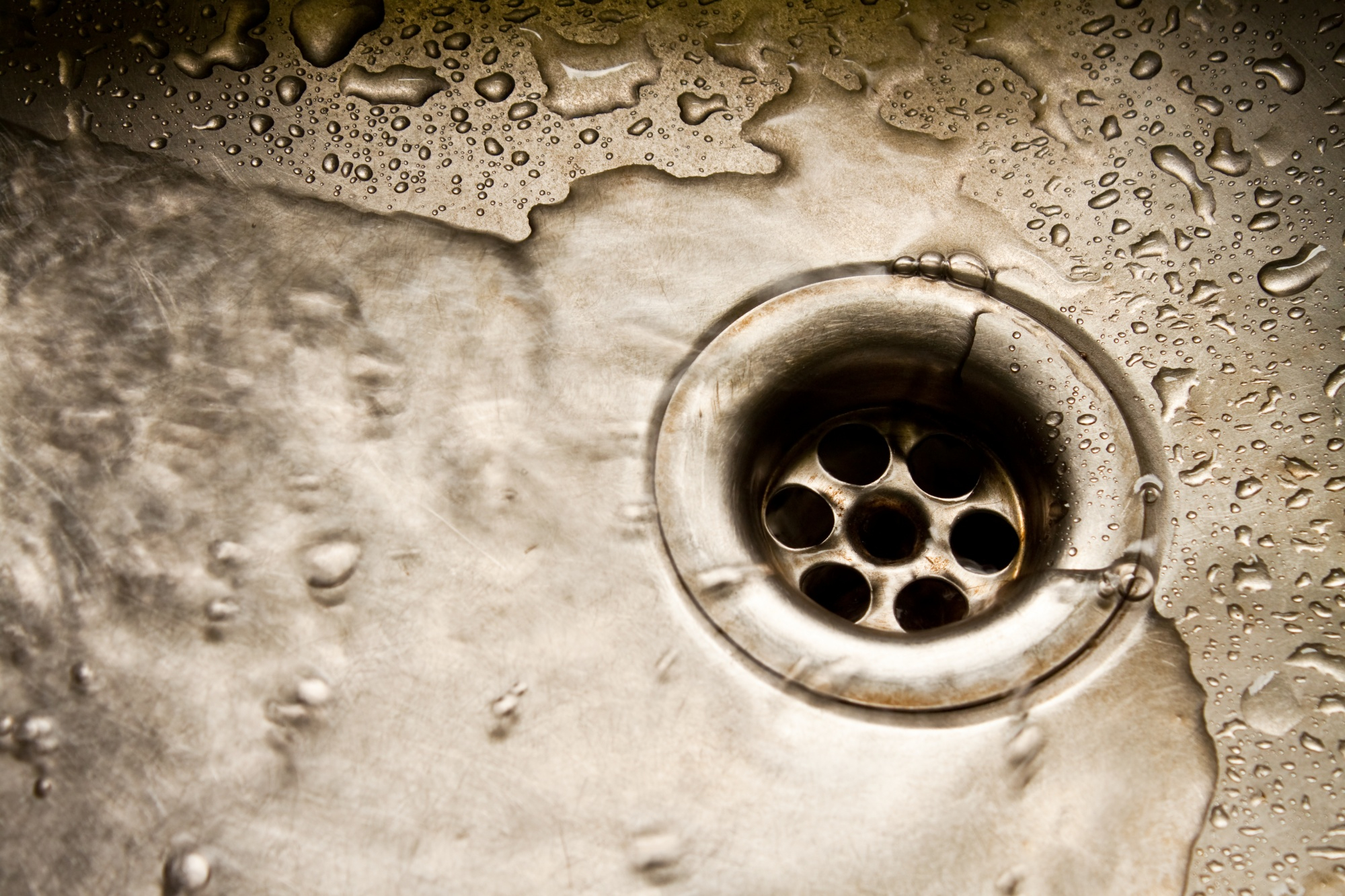
Dealing with slow-moving drains can be frustrating, especially in Austin, where the combination of hard water and frequent use of plumbing can contribute to clogged or sluggish drains. While it may seem like a minor issue, slow drainage can indicate more serious problems in your plumbing system. Fortunately, there are several ways to address this problem without the need for expensive repairs. Here’s how you can tackle slow-moving drains in your Austin home.
Sommaire
ToggleCommon causes of slow-moving drains
Before diving into solutions, it’s important to understand what typically causes slow-moving drains. Identifying the root cause can help you choose the best method for fixing the issue.
Buildup of grease and soap scum
In kitchens, grease and soap scum are common culprits. When you wash greasy pots and pans or use soap in your sink, residue builds up over time. This creates a sticky layer inside your pipes that slows the flow of water and eventually leads to blockages.
Hair and debris
In bathrooms, hair is a major cause of slow-moving drains, especially in showers and bathtubs. Hair strands can get caught in the drain, forming clogs when mixed with soap and other debris. Over time, this slows down water drainage.
Hard water mineral deposits
In areas like Austin, hard water is a common problem. Over time, mineral deposits from hard water can build up inside your pipes, narrowing the flow and causing water to move more slowly.
Read more: The importance of drain inspections before buying a home in Austin
Effective methods to tackle slow-moving drains
Fortunately, there are many effective and eco-friendly methods to address slow-moving drains. Here are some of the best solutions to clear up the issue.
Use boiling water
Boiling water is a simple yet effective method to dissolve grease and food particles causing slow drainage.
- Boil 2-3 liters of water.
- Slowly pour it down the slow-moving drain in stages.
- Allow each pour to sit for a few seconds before adding more.
Hot water melts grease and food particles, helping them flow through your pipes and clear minor clogs.
Baking soda and vinegar
Baking soda and vinegar are not only natural but also a highly effective way to clean out drains.
- Pour 1/2 cup of baking soda into the drain.
- Add 1/2 cup of vinegar and cover the drain.
- Let it sit for 15-30 minutes, allowing the fizzing reaction to work.
- Rinse with hot water.
The fizzing reaction between baking soda and vinegar helps break down grease, food particles, and other debris, leaving your drain clean and clear.
Use an enzyme-based cleaner
Enzyme-based cleaners are eco-friendly products that use natural bacteria and enzymes to break down organic materials like hair, grease, and food particles.
- Pour the enzyme cleaner into the drain according to the product instructions.
- Let it sit for several hours or overnight.
- Flush the drain with warm water.
Enzymatic cleaners are gentle on pipes but highly effective at breaking down organic material, preventing future slowdowns.
Manual drain snake
For more stubborn clogs, using a drain snake (or plumber’s auger) can help dislodge debris deep within your pipes.
- Insert the snake into the drain and start turning the handle.
- Continue until you hit the blockage.
- Once engaged, turn the handle to break up or pull out the debris.
- Rinse with hot water.
The plumbing snake physically clears the debris, offering a mechanical solution to clogs that can’t be dissolved with natural cleaners.
Hydro-jetting
If the clog persists despite your best efforts, hydro-jetting is a professional option worth considering. This method uses high-pressure water to clear even the most stubborn blockages and clean the walls of your pipes. A plumber inserts a nozzle into your drain and uses high-pressure water to blast away debris and clean the inside of your pipes. Hydro-jetting is a powerful and eco-friendly method that not only clears clogs but also prevents future buildup by cleaning your pipes thoroughly.
Preventative measures to avoid future slow drains
While these methods can fix slow-moving drains, it’s always better to prevent the problem from occurring in the first place.
Install drain screens or strainers
Installing drain screens or strainers is an effective way to prevent food scraps, hair, and other debris from entering your pipes. By catching these materials before they can accumulate in your plumbing system, drain screens help to prevent the buildup that typically leads to slow drains. This simple solution reduces the risk of clogs, ensuring that water flows smoothly through your pipes. Additionally, drain screens are easy to clean and maintain, making them a convenient and efficient tool for long-term drain care.
Regularly flush drains with hot water
Flushing your drains with hot water once a week can help prevent grease and food buildup. This simple task keeps your pipes clear and prevents slow drainage from developing. Hot water helps dissolve small amounts of grease and debris, preventing clogs before they form.
When to call a professional plumber in Austin
If you’ve tried DIY solutions and your drains are still moving slowly, it might be time to consult a professional plumber. Persistent slow drains could indicate deeper issues, such as a major clog or pipe damage, that require professional equipment and expertise to resolve.Slow-moving drains in your Austin home can be a hassle, but with the right methods and regular maintenance, they can be managed effectively. From natural solutions like baking soda and vinegar to professional options like hydro-jetting, there are plenty of ways to keep your drains clear and your plumbing system in top condition. If your DIY efforts don’t solve the issue, don’t hesitate to call a professional plumber for a more comprehensive inspection and cleaning.