Austin homeowners, tired of pesky drain issues? Discover simple drain maintenance tips that keep your home’s plumbing flowing smoothly. With practical advice and easy-to-follow routines, you’ll tackle clogs and prevent future headaches. Dive into our guide and learn how to maintain a trouble-free drainage system, ensuring your home stays functional and stress-free. Let’s get started!
Sommaire
ToggleUnderstanding common drain problems
Clogged drains often occur from hair, grease, or foreign objects. Signs include slow drainage and foul odors. Regular maintenance helps, but understanding these issues is key. Austin’s hard water can also contribute to buildup. Addressing these with simple practices keeps your drains clear. For resolving typical drainage problems, knowing the causes and signs empowers you to prevent future issues effectively.
Causes of clogged drains
Clogged drains frustrate many Austin homeowners. Understanding what causes these blockages helps in preventing future issues. Here are common culprits:
- Hair: Often accumulates in bathroom drains, causing slow drainage.
- Grease: Hardens in kitchen pipes, leading to severe clogs.
- Foreign objects: Items like wipes or toys can block pipes quickly.
Recognizing these issues early ensures better drain maintenance and reduces costly repairs.
Signs of potential drainage issues
Water pooling near drains, slow drainage, and unpleasant odors indicate potential issues. Gurgling sounds in pipes suggest blockages. Frequent clogs point to underlying problems. Visible mold or mildew around drains signals leaks. Prompt attention prevents costly repairs. Regular monitoring ensures smooth drainage.
Regular maintenance practices
Consistent drain maintenance ensures a smoothly functioning home in Austin. Implementing regular practices helps prevent future issues. Here’s how you can maintain your drains effectively:
- Clean sink and shower drains weekly.
- Flush drains with hot water.
- Use a drain screen to catch debris.
- Inspect pipes for leaks monthly.
- Remove hair from bathroom drains.
- Check for slow drainage signs.
Following these steps helps keep your drainage system in top shape.
Weekly cleaning routines
Keeping your drains clear prevents major issues. Adopt a simple weekly cleaning routine to maintain optimal flow.
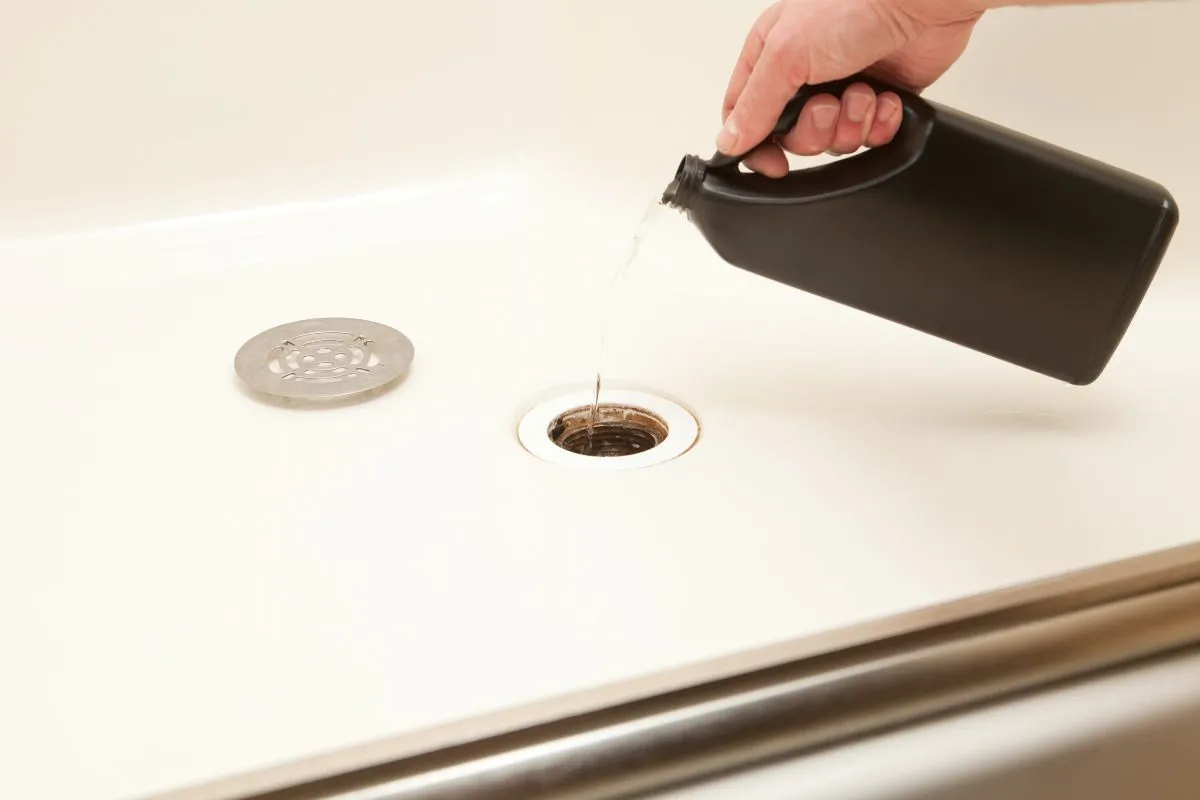
- Pour boiling water down drains to dissolve minor clogs.
- Use a drain snake to remove debris from the pipes.
- Mix baking soda and vinegar for a natural clean.
- Check sink stoppers for trapped particles.
Regular attention keeps your drainage system functioning smoothly. Avoid costly repairs by sticking to these weekly habits.
Monthly inspection tips
Performing monthly inspections of your drains helps maintain their efficiency. Examine visible pipes for leaks and corrosion. Check under sinks and around appliances for water stains. Listen for unusual sounds from pipes. Use these tips to keep your drains in top shape:
- Inspect kitchen and bathroom sinks for slow drainage.
- Examine outdoor drains for debris accumulation.
- Look for signs of mildew or mold around drain areas.
- Test faucets and showerheads for proper water pressure.
Regular checks prevent costly repairs and ensure long-term drainage health.
Tools and products for effective drain care
Effective drain care requires the right tools and products. Investing in quality items ensures efficient maintenance and prevents costly repairs. Consider the following essentials:
- Plunger: A must-have for minor clogs.
- Drain snake: Ideal for stubborn blockages.
- Enzyme cleaners: Eco-friendly solutions that break down buildup.
- Pipe brush: Perfect for scrubbing away grime.
These tools help maintain a healthy drainage system, ensuring smooth water flow in your Austin home.
Recommended cleaning tools
For optimal drain care, invest in a sturdy plumber’s snake, a high-quality plunger, and a reliable drain auger. These tools help tackle clogs effectively, ensuring smooth water flow. Additionally, a wet/dry vacuum can prove invaluable for more stubborn blockages.
Eco-friendly drain cleaning solutions
Consider using baking soda and vinegar for a natural clean. These ingredients break down grime without harming pipes. Citrus-based cleaners offer an effective, biodegradable option. Enzyme drain cleaners also work well, as they digest organic material. Eco-friendly solutions ensure a safe home environment, essential for maintaining drain health in Austin.
Professional help and when to seek it
When you notice persistent odors or water backing up, it’s time to call a professional plumber. These experts handle serious issues like pipe corrosion or tree root intrusion. Choose a reliable plumber in Austin with good reviews. Prompt action prevents costly repairs and ensures your home’s drainage system runs smoothly.
Identifying serious issues
Watch for signs like persistent slow draining or multiple clogged fixtures. These indicate serious problems like tree root intrusion or sewer line damage. Listen for gurgling sounds from drains, suggesting trapped air or blockage. Unpleasant odors often point to venting issues or sewer gas leaks.
Choosing a reliable plumber in Austin
When choosing a dependable plumber in Austin, prioritize experience and local reputation. Verify licenses and insurance to ensure professional standards. Read reviews on platforms like Yelp or Google. Ask for detailed estimates to avoid hidden costs. Confirm the plumber’s familiarity with Austin’s specific drainage issues. Opt for those offering emergency services for urgent needs. Consider recommendations when finding a trusted drain professional to maintain your home’s plumbing health.
Preventive measures for long-term drainage health
Focus on minimizing debris in your drains by using drain covers. Dispose of grease and coffee grounds in the trash, not the sink. Implement proactive maintenance techniques by flushing your drains with hot water weekly. Regularly inspect pipes for leaks or blockages. These actions ensure your drainage system remains efficient, reducing the risk of costly repairs and maintaining your home’s plumbing health.
Tips for preventing build-up
Regular attention to your drains prevents build-up and costly repairs. Focus on these simple tips to maintain a clean and efficient drainage system.
| Tip | Description |
|---|---|
| Use Drain Screens | Prevent debris from entering your drains. |
| Hot Water Flush | Pour hot water weekly to clear minor clogs. |
| Avoid Grease | Dispose of grease in the trash, not the sink. |
For those with busy kitchens, consistent drain care for eateries becomes crucial to avoid blockages.
Seasonal maintenance advice
Austin’s unique climate demands special attention to your drainage system. In spring, clear out debris from gutters to prevent clogs. Summer heat can harden grease in pipes, so flush them monthly with hot water. During fall, remove fallen leaves near drains to avoid blockages. Winter requires insulating exposed pipes to prevent freezing. Implementing these seasonal maintenance tips ensures your system remains efficient year-round. Consistently monitoring and addressing these factors will help maintain your home’s drainage health, saving you from costly repairs and ensuring smooth operation throughout the year.
FAQ
What are some common causes of clogged drains?
Hair, grease, soap scum, and food particles often lead to clogs. Hard water deposits also contribute.
How can I tell if my drains have potential issues?
Slow drainage, gurgling sounds, and unpleasant odors indicate problems. Regular checks help catch these early.
What weekly cleaning routine should I follow?
Use a natural drain cleaner weekly. Pour hot water to clear minor buildups and keep drains flowing smoothly.
Which tools are recommended for effective drain care?
A drain snake, plunger, and a pipe brush work well. These tools tackle various clogs and ensure clear drains.
When should I call a professional plumber in Austin?
If you notice persistent clogs or water backups, contact a reliable plumber. They handle complex issues safely.