
As the rainy season approaches in Austin, it’s important to ensure that your kitchen drains are ready to handle the excess water. Over time, grease, debris, and even tree roots can accumulate in your pipes, leading to blockages that only get worse when the rains hit. By cleaning your drains before the storm, you protect both your plumbing and your home’s foundation from costly water damage. Here’s how to get your drains in top shape before the wet season arrives.
Sommaire
ToggleWhy cleaning kitchen drains before the rainy season is essential
Clogged drains can cause serious damage to your plumbing system. In Austin, where tree roots, climatic conditions, and hard water contribute to frequent blockages, taking quick action is essential. A blockage that isn’t addressed promptly can escalate into more severe plumbing issues.
The impact of heavy rain on drains in Austin
During the rainy season, your drains experience increased pressure due to the influx of water. Debris, leaves, and mud can easily block your pipes, slowing water flow and leading to flooding in your garden or inside your home. When drains are already obstructed, the additional debris worsens the situation, increasing the risk of severe flooding.
Risks of long-term damage if drains are not maintained
Failure to maintain your drains leads to long-term issues, such as serious clogs, pipe cracks, or water damage. Without proper cleaning before the rainy season, these blockages can create excessive pressure on the pipes, resulting in costly repairs and potential structural damage to your home.
Common causes of clogs in Austin’s drains
Blockages in your drains are often caused by specific elements that accumulate over time. Understanding these causes helps you take effective preventive measures.
Tree roots and local vegetation
In Austin, tree roots are a major contributor to clogged drains. Roots seek moisture and can infiltrate pipes, causing severe blockages. Over time, these roots damage pipes and may require professional removal to restore proper water flow.
Accumulation of debris and grease
Grease from cooking, combined with organic debris like hair and food waste, builds up in pipes. This greasy residue solidifies over time, obstructing water flow. Without regular maintenance, these blockages can grow, becoming more difficult and expensive to remove.
Essential steps for cleaning drains before the rainy season
Proper drain cleaning before the rainy season is key to preventing major issues. Here are the essential steps to ensure your drains remain clear and functional.
Preventive drain inspection
Before cleaning, it’s essential to inspect your drains for visible blockages or cracks. You can use a camera inspection service, which is commonly offered by plumbers, to identify damaged or obstructed areas before the rainy season begins.
Manual cleaning and high-pressure water jetting
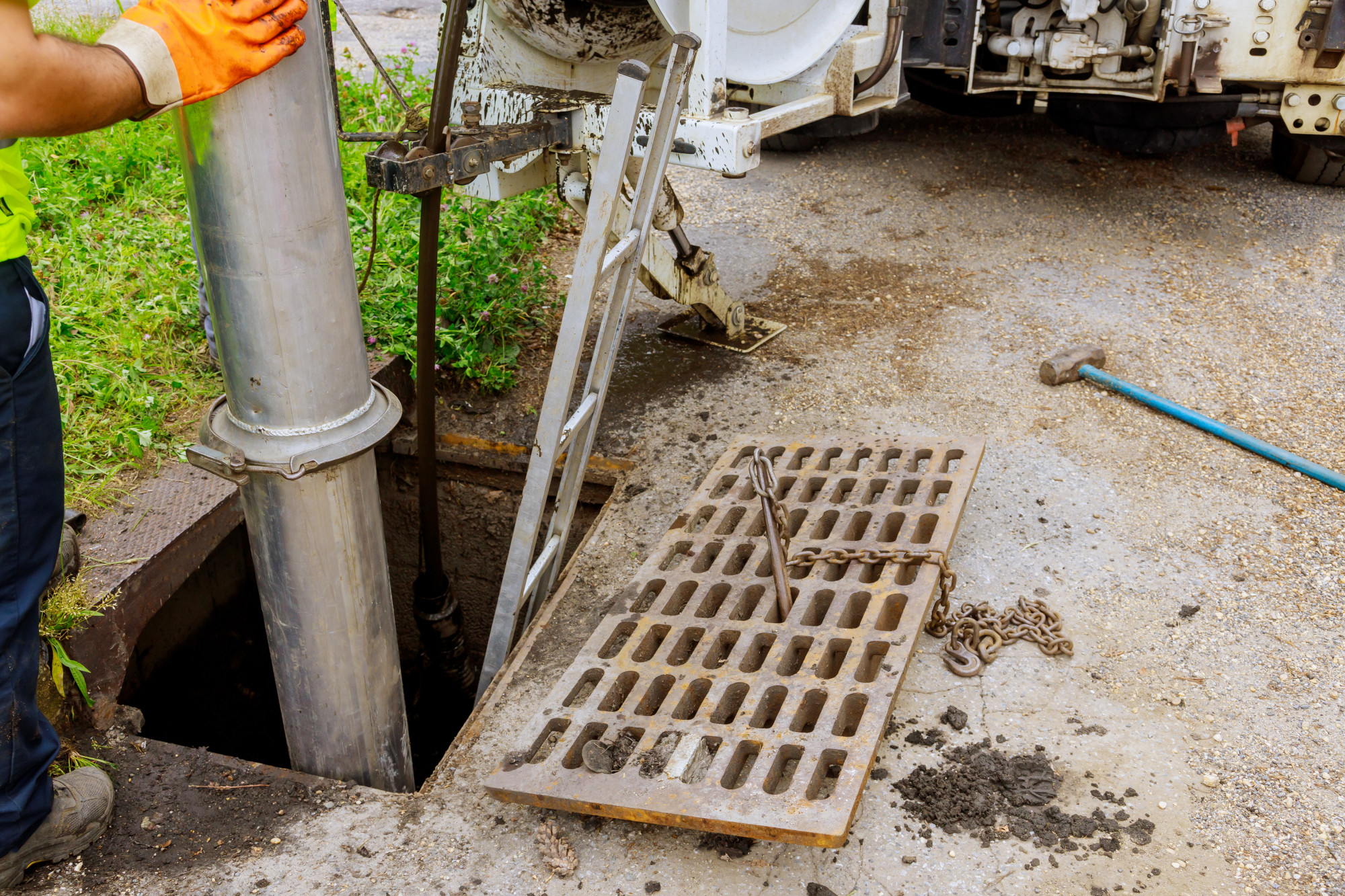
Once blockages are identified, removing them is the next step. Manual cleaning consists of removing visible debris from the drain opening. For deeper blockages, high-pressure water jetting (hydro-jetting) is ideal. This technique uses pressurized water to clear roots and mineral deposits from pipes without causing damage.
Using enzymatic products to keep drains clean
To prevent new clogs, enzymatic products are effective. These natural cleaners break down grease and organic matter, keeping your drains clear without harming your pipes. Regular use of enzymatic cleaners helps maintain free-flowing drains and prevent future blockages.
The importance of regular drain maintenance year-round
Regular maintenance not only helps clean your drains before the rainy season but also ensures a functioning plumbing system year-round. Ongoing maintenance reduces the risk of clogs and minimizes the need for emergency interventions.
Why preventive maintenance is essential in austin
In Austin, where climatic conditions can quickly cause plumbing problems, it’s crucial to inspect and clean your drains regularly. Annual cleaning helps remove debris before it becomes a serious problem, ensuring your pipes stay clear year-round.
Inspection and cleaning frequency
While cleaning before the rainy season is crucial, inspecting your drains at least every six months is recommended. This allows you to identify and address issues before they turn into emergencies.
When to call a professional plumber
If home remedies don’t resolve the blockage, it’s time to call a professional plumber. Some obstructions are too deep or serious to handle with DIY methods, and professional expertise is necessary.
Signs you need a professional plumber
If you notice cracks in your pipes, water leaks, or persistent blockages despite cleaning efforts, it’s time to contact a plumber. Deep blockages or tree root invasions require professional tools and expertise for removal.
The benefits of regular professional maintenance
A plumber can perform thorough inspections and specialized cleaning, extending the life of your pipes and preventing future problems. Professional maintenance saves you money in the long run by avoiding more expensive repairs.
Cleaning your kitchen drains in Austin before the rainy season is essential for protecting your plumbing system and preventing costly damage. By following these cleaning tips and conducting regular maintenance, you can ensure that your drains remain clear, and your home stays protected from water damage. A proactive approach will help you avoid clogs, bad odors, and flooding in the future.