
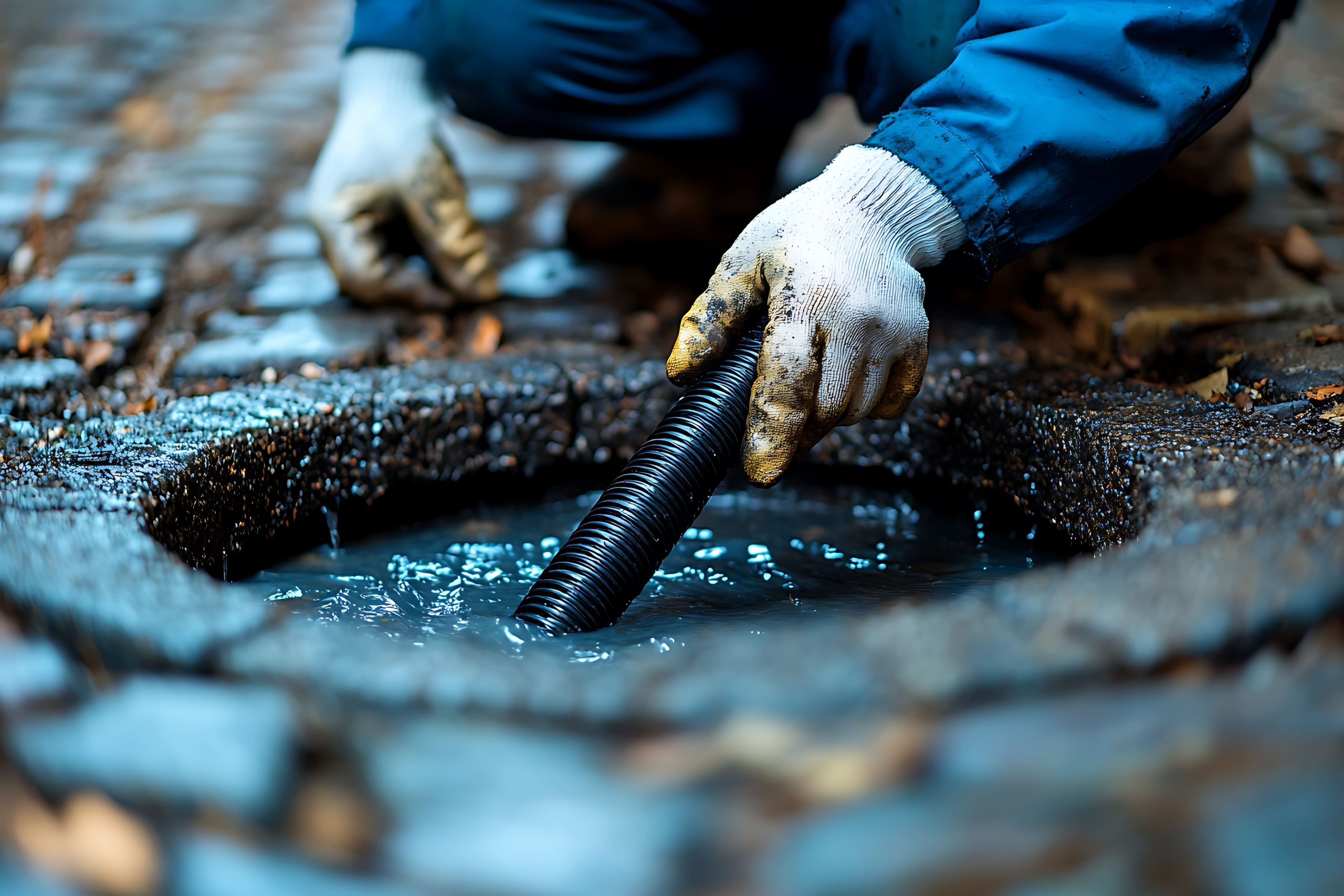
A sink that won’t drain, a toilet that backs up or odors that rise in Austin, these signs are often the result of well-known but underestimated causes. Between daily habits, tree roots and the effects of the climate, drains are put to the test. Knowing what they are, however, can save you a lot of trouble.
Sommaire
ToggleClogs: a frequent issue in austin households
Clogged drains are a common nuisance, but in a city like Austin, they can also signal problems related to the environment, weather, or aging infrastructure. By identifying the root causes, you can avoid many costly emergencies.
Why do drains get clogged so often?
The inside of a pipe doesn’t stay smooth forever. Over time, residue builds up, forms rough spots, and traps new waste. This process speeds up with poor maintenance or improper use. Even a small clog can quickly grow into a complete blockage.
Impact of weather and local environment on drainage
In Austin, prolonged dry periods dry out the soil, followed by intense rainfall that causes rapid runoff. This brutal cycle strains the drainage systems. In addition, the local vegetation, which is very active, naturally seeks out moisture sources especially cracked or poorly sealed pipes.
The main causes of clogs in Austin homes
Small everyday mistakes are often the source of most clogs. Recognizing them helps you correct your habits before the issue returns.
Grease and cooking oil buildup
Pouring grease or melted oil into the sink, even in small amounts, creates a sticky coating inside your pipes. Once cooled, this layer traps crumbs, eggshells, and even coffee grounds. Instead, store used grease in a container and throw it away once solid.
Food debris and organic residue
Having a garbage disposal doesn’t mean anything goes. Foods like rice, pasta, or thick peels swell with water and stick to pipe walls. Use a sink strainer to catch solids, and avoid rinsing cooked or raw food directly with hot water.
Tree root infiltration in pipes
A tree planted too close to your plumbing can become a hidden threat. Roots are attracted to moisture from leaks or loose joints, and they slowly enter the pipe. This causes progressive obstruction that’s hard to detect without a camera inspection. Keep an eye on trees near your pipelines.
Improper toilet use and unsuitable waste
Throwing hygiene products or wipes in the toilet is a common mistake. Even “biodegradable” wipes take a long time to break down and can block pipes, especially with low slope systems. A good habit: if it’s not toilet paper, it belongs in the trash.
Hair and cosmetic product buildup in bathrooms
Wet hair quickly binds with soap or lotion, forming clumps that seriously slow drainage. Install hair traps in your shower and clean them regularly. Weekly rinses with hot water and white vinegar can also reduce greasy residue.
Read more : Top 7 drain cleaning methods for Austin homeowners
Influence of plumbing infrastructure and materials on clogs
The age, material, and layout of your plumbing system directly impact how often clogs form. A quality setup must also match your household’s usage.
Aging pipes and corrosion
Older homes in Austin often have pipes made of cast iron or clay. These materials degrade, deform, rust, or crack over time. Interior corrosion creates rough areas where waste gets stuck. If your home was built before the 1980s, a pipe inspection is highly recommended.
Problems with old or poorly installed drainage systems
Incorrect slopes or extra-long pipes without ventilation slow the water flow, leading to stagnant zones where buildup occurs. These flaws are hard to detect without expert help. If you experience frequent clogs despite good habits, get your system checked.
Specific Austin factors that worsen clogging risks
Austin has natural and urban characteristics that make its residents more vulnerable to drainage issues.
Hot, dry climate followed by heavy rain
When rain falls after a dry spell, it carries large amounts of dust, debris, and particles into gutters and drains, overloading an already weakened system. Clean your gutters and drain covers at the start of the rainy season to prevent leaves and dust from entering your pipes.
Soil and local vegetation favor root intrusion
Austin’s limestone soil contracts during dry weather and expands when wet. This repeated movement cracks underground pipes. Combined with water-hungry plants, it creates ideal conditions for root invasion. A video pipe inspection every two to three years is smart if you live in a tree-heavy area.
How to prevent clogs in your Austin home
Better to prevent a blockage than deal with the mess. Simple daily habits can avoid serious plumbing trouble. Never pour greasy or thick leftovers down the sink. Clean traps once a month, use baking soda with hot vinegar to dissolve buildup, and regularly check that water flows smoothly.
If water drains slowly, makes gurgling sounds, or smells linger despite cleaning, don’t wait. A professional plumber can perform hydro jetting or a video inspection to eliminate the blockage before it causes serious damage.