
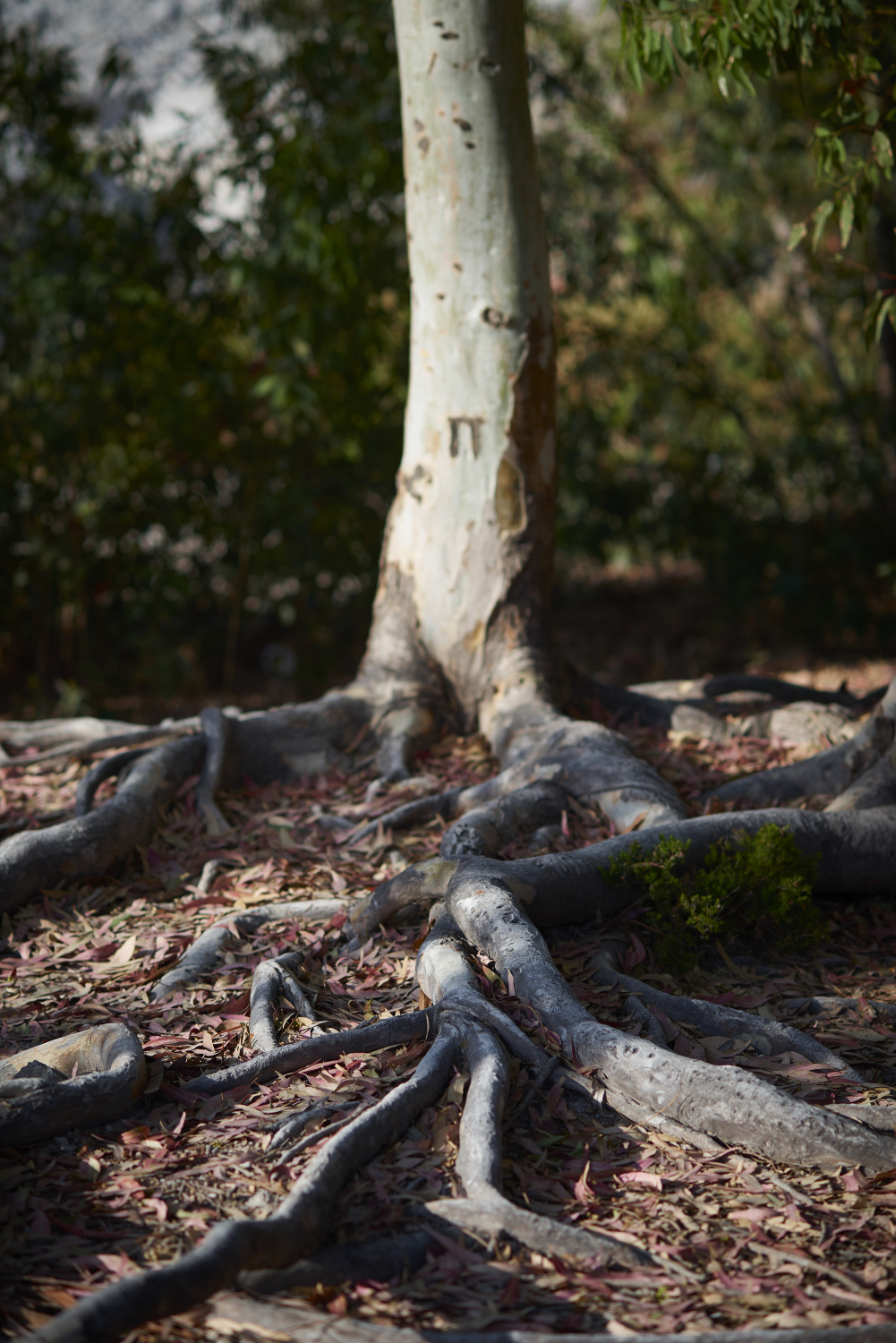
Tree roots can cause significant damage to your pipes, but how exactly? In Austin, where roots are particularly active due to the dry climate and variety of trees, they naturally seek out moisture and infiltrate pipes. This phenomenon is not just a nuisance; it can lead to water leaks, blockages, and expensive repair costs.
Sommaire
ToggleHow tree roots affect your pipes
Tree roots are always on the lookout for moisture. When they detect water in your pipes, they invade. If your pipes are in poor condition or poorly maintained, the roots find it easy to enter. This process is gradual, so the early signs of root intrusion can be hard to spot.
How do tree roots invade pipes?
Roots move toward pipes in search of food and water, and when they detect a leak, they creep through the joints of the pipes. Once inside, they multiply quickly, causing blockages that obstruct the flow of water. This process is gradual, meaning the signs of root intrusion can be difficult to detect at first.
The most vulnerable types of pipes
Clay and PVC pipes are often more vulnerable to root intrusion. Clay pipes, while durable, have joints that can deteriorate over time, making it easier for roots to slip in. PVC pipes, though more modern, can still allow roots to enter through poorly sealed or damaged joints.
Consequences for your plumbing
When tree roots invade your pipes, they can cause blockages, leaks, and even pipe ruptures. This leads to water leaks, unpleasant odors, and water pressure issues. Over time, this can result in the gradual deterioration of your plumbing, requiring costly repairs.
How to prevent damage from tree roots in Austin
Preventing root intrusion in your pipes in Austin starts with simple precautionary measures. By adopting a few practical strategies, you can significantly reduce the risk of damage. These solutions don’t require large investments but can save you from costly repairs.
Choose the right trees for your garden
Certain tree species are more likely to grow invasive roots. In Austin, oak trees, pine trees, and fig trees are known for their aggressive roots. It is advisable to plant these trees far from your pipes. If you already have these trees, consider relocating them away from sensitive areas where pipes run.
Install root barriers
An effective solution is to install root barriers around your pipes. These barriers, typically made from plastic or metal, prevent roots from reaching your pipes. They are especially useful for exterior piping. By installing these protections, you create a defensive layer that safeguards your pipes for years.
Regularly maintain your pipes
It is essential to regularly inspect the condition of your pipes and perform periodic checks to detect any root intrusion. Preventive maintenance allows you to catch signs of root penetration early and avoid more costly repairs. By cleaning your pipes once or twice a year, you ensure their long-term functionality.
Solutions for dealing with pipes affected by tree roots
If your pipes have already been infiltrated by roots, several solutions are available to restore their condition. While these treatments may be more costly than prevention, they can extend the life of your pipes.
Root removal and pipe maintenance techniques
Root removal from affected pipes can be done using a snake or hydrojetting. These techniques help eliminate roots obstructing your pipes. Hydrojetting, which uses high-pressure water, is particularly effective for removing stubborn roots while being gentle on your pipes.
Replacing damaged pipes
If roots have caused significant damage to your pipes, replacement may be necessary. This often involves digging around the affected pipes and installing new ones. While this can be expensive, it is sometimes the only solution to avoid recurring problems.
Consulting a plumbing professional
Plumbing professionals have the tools and expertise necessary to diagnose and repair damage caused by tree roots. Hiring an experienced plumber can save you from costly mistakes and ensure a long-lasting solution.
Warning signs: how to know if your pipes are affected by tree roots
Here are some clear signs to help you detect if tree roots have invaded your pipes:
- Slow drainage: If water drains slowly from sinks, bathtubs, or toilets, it could mean a root blockage.
- Frequent clogs: Repeated blockages or the need to unclog pipes more often than usual is a sign of root intrusion.
- Unpleasant odors: Foul smells coming from your drains or toilets are often linked to root-related blockages.
- Gurgling noises: Strange gurgling sounds coming from your pipes may indicate that roots are obstructing the water flow.
- Wet spots in the yard: If you notice unusually wet patches or standing water in your yard near the pipes, it could be a sign that tree roots have caused a leak in the pipes.
Read more : How to maintain clean drains in old homes in Austin
Protecting your pipes from tree roots in Austin is challenging, but by taking the right measures, you can avoid major issues. Choosing the right trees, installing root barriers, and maintaining your pipes regularly are key to preserving your plumbing. And if roots do manage to infiltrate, there are solutions to effectively address the problem. By acting early, you minimize the risks and ensure the long-term functionality of your pipes.