Owning a home in Austin means facing unique plumbing challenges. Wondering when to get a drain inspection Austin done? Ignoring signs like slow drainage or unpleasant odors might lead to costly repairs. Regular inspections keep your system efficient and your home safe. Dive in to discover when and why you should schedule one, ensuring peace of mind.
Sommaire
ToggleSigns You Need a Drain Inspection
- Water drains slowly in sinks or tubs
- Foul odors emerge from drains
- Frequent clogs occur in plumbing
- Unusual gurgling noises in pipes
- Water backup in fixtures
Identifying these issues early prevents costly repairs and ensures a smooth plumbing system. Regular checks help maintain optimal function and hygiene in your home. If you notice persistent issues, it may be a sign that drain maintenance is necessary. This proactive approach keeps your plumbing in top condition and avoids unexpected problems.
Slow Draining Water
Slow draining water signals potential issues in your plumbing. Address it quickly to prevent costly repairs. Residents of Austin often face this due to mineral deposits and debris buildup. Try these solutions before calling a professional:
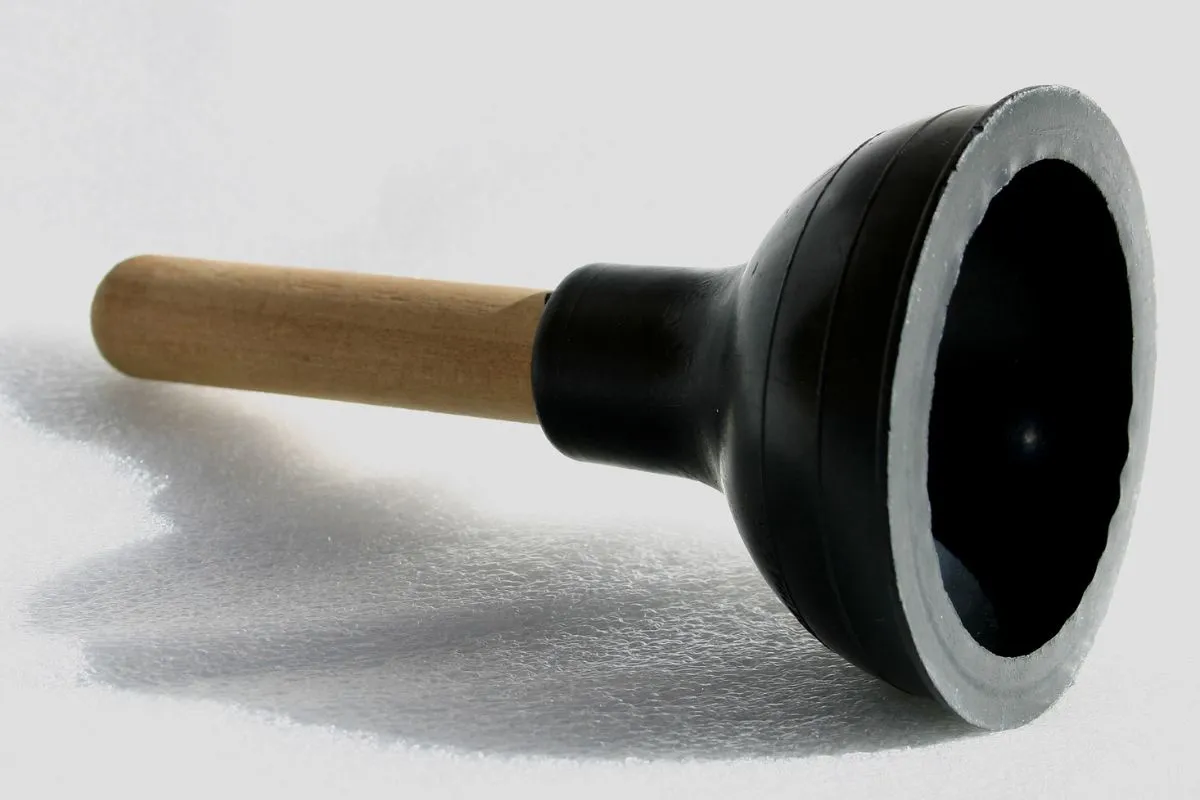
- Use a plunger to clear minor blockages.
- Pour a mixture of baking soda and vinegar.
- Check for visible debris in the drain.
- Ensure drain traps are clear.
- Flush with hot water to dissolve buildup.
- Inspect for pipe damage or leaks.
Regular drain inspections help maintain system efficiency.
Unpleasant Odors
If you notice unpleasant odors wafting from your drains, it might be time for a drain inspection. These smells often signal trapped debris or buildup in your plumbing system. In Austin, where humidity and heat can exacerbate these issues, addressing them promptly is crucial. Ignoring the problem may lead to more serious plumbing concerns. Regularly check for any foul smells and consider scheduling a professional inspection to ensure your home’s plumbing remains efficient and free of blockages.
Frequent Clogs
Frequent clogs in your drains often indicate an underlying issue. Consider these steps to manage the problem:
- Use a plunger to dislodge minor blockages.
- Apply a plumbing snake for tougher clogs.
- Inspect drains for tree root intrusion.
- Schedule a professional drain inspection Austin service.
Benefits of Regular Drain Inspections
Regular drain inspections offer crucial benefits for homeowners. They prevent costly repairs and enhance system efficiency. Consider these advantages:
- Identifying issues early
- Reducing emergency repairs
- Extending lifespan of plumbing
- Improving water flow
- Maintaining a healthy environment
Incorporating routine maintenance checks ensures the longevity of your home’s plumbing system, minimizing unexpected problems.
Preventing Major Repairs
Regular drain inspections help avoid costly repairs by catching issues early. Detecting problems before they escalate saves time and money. Scheduling these inspections ensures your plumbing system remains efficient. Homeowners should recognize the importance of consistent drain maintenance to maintain home safety and functionality.
Improving System Efficiency
Regular drain inspections boost system efficiency by ensuring smooth water flow and detecting potential issues early. A clear drainage system reduces energy usage and prevents water pressure problems. It also extends the lifespan of your plumbing, saving costs on unexpected repairs. Austin residents benefit from enhanced home value and reduced maintenance headaches. Inspections identify blockages or leaks before they escalate, keeping your home’s plumbing in top shape year-round.
How Often Should Austin Residents Schedule Inspections?
Austin residents should schedule a drain inspection at least once a year, but certain factors may require more frequent checks. Consider these:
- Age of plumbing system
- Number of residents
- Recent renovations
- History of clogs
- Tree root proximity
- Heavy rain seasons
These elements help determine the ideal inspection frequency for a smoothly functioning home.
Factors Affecting Frequency
Several factors influence how often you should schedule a drain inspection in Austin. Home age plays a crucial role; older homes might require more frequent checks due to aging pipes. Your household size also impacts frequency; more occupants increase strain on the plumbing system. If your property has trees nearby, root intrusion risks rise, necessitating regular inspections. Lastly, previous plumbing issues might indicate a need for more frequent assessments to prevent future complications. Tailoring inspection schedules based on these factors ensures optimal plumbing performance.
Seasonal Considerations
Austin’s climate impacts drain inspection needs. Spring rains increase debris buildup, while summer heat can cause pipe expansion. Fall’s leaves may lead to clogs. Winter temperatures risk freezing pipes. Scheduling inspections seasonally ensures system efficiency and prevents unexpected issues. Plan accordingly for each seasonal change.
DIY Tips Before Calling a Professional
Tackling minor drain issues yourself can save time and money. Before reaching out to a professional, try these simple methods to ensure your system runs smoothly.
- Pour hot water down the drain to clear mild blockages.
- Use a plunger to dislodge stubborn clogs.
- Mix baking soda and vinegar for a natural cleaner.
- Check for visible debris in the drain cover.
- Ensure drain traps are free from buildup.
Using Natural Drain Cleaners
Natural drain cleaners offer an eco-friendly way to maintain your plumbing. Mix baking soda with vinegar to break down minor clogs. Pour half a cup of baking soda followed by a cup of vinegar into the drain. Let it sit for 30 minutes, then flush with hot water. This method reduces reliance on harsh chemicals, protecting both your pipes and the environment. Regular use prevents build-up, ensuring smoother water flow. Remember, natural solutions work best for minor issues, keeping your home’s plumbing in top shape.
Visual Inspection Checklist
Performing a visual inspection of your plumbing can help you catch potential issues early. Use the following checklist to guide you:
- Check for standing water around drains.
- Look for signs of corrosion on pipes.
- Inspect for visible cracks or leaks.
- Ensure drain covers fit securely.
- Note any rusty water stains.
- Observe any unusual pipe noises.
Choosing the Right Drain Inspection Service in Austin
When selecting a drain inspection service in Austin, consider a provider with a solid reputation and experience. Verify their credentials and ensure they use modern technology. Ask about the expert drain inspection methods they employ. Compare quotes and read reviews to make an informed decision.
What to Look for in a Service Provider
Choosing the right drain inspection service in Austin ensures quality and efficiency. Consider these factors:
- Experience in Austin plumbing systems
- Use of advanced technology
- Positive customer reviews
- Transparent pricing
- Licensed and insured professionals
A reliable service provider prevents costly issues. Always prioritize expertise and customer satisfaction.
Questions to Ask Before Hiring
Ask about the service provider’s certifications and experience with drain inspection Austin. Inquire if they offer video inspections and a clear pricing structure. Verify their response time and availability for emergencies. Ensure they provide a satisfaction guarantee.
Popular Questions
How can slow draining water signal a need for inspection?
Slow draining water often indicates a blockage or buildup in your pipes. Scheduling a drain inspection in Austin can help identify and address these issues before they worsen.
Why are unpleasant odors a concern for homeowners?
Unpleasant odors may suggest a sewer gas leak or trapped debris in your drains. Ignoring these smells could lead to larger plumbing issues, making a timely inspection essential.
What causes frequent clogs in household drains?
Frequent clogs often result from hair, grease, or foreign objects accumulating in pipes. Regular inspections help maintain clear drains and prevent persistent blockages.
What seasonal factors affect inspection frequency in Austin?
Austin’s hot summers can dry out pipes, while heavy rains might cause shifts in soil. Both conditions impact your plumbing, necessitating inspections during these seasons.
What should residents look for in a drain inspection service?
Choose a service with certified technicians, modern equipment, and good reviews. Ensure they offer transparent pricing and a clear plan for addressing potential issues.