Keeping a retail store running smoothly takes more than just stocking shelves. An often overlooked aspect, drain maintenance, can significantly impact operations. Discover how one Austin store tackled this issue, saving costs and boosting efficiency. This case study offers practical insights for managers aiming to maintain a clean, operational environment while navigating budget constraints and technical challenges.
Sommaire
ToggleUnderstanding the challenges of drain maintenance in retail stores
Retail stores often face significant challenges in drain maintenance. Clogs from debris, grease, and buildup disrupt operations, leading to unpleasant odors and potential health hazards. These issues can result in lost sales and frustrated customers. Addressing these problems requires a proactive approach. Regular inspections and cleaning reduce risks. Implementing effective strategies ensures efficient operations and a pleasant shopping environment. For managers, understanding these challenges is crucial for maintaining store efficiency and customer satisfaction.
Common issues faced by retail store managers
- Clogs from debris buildup
- Foul odors affecting customer experience
- Frequent plumbing repairs
- Water damage to store infrastructure
- Increased maintenance costs
- Disruption of daily operations
Neglecting drain maintenance can lead to significant operational challenges. Addressing these issues promptly ensures a clean and efficient retail environment.
Impact of poor drain maintenance on store operations
Poor drain maintenance disrupts store operations, leading to unpleasant odors and potential flooding, which can deter customers. This affects sales and increases repair costs. Timely interventions are crucial in avoiding retail plumbing problems, ensuring a clean, efficient environment.
Overview of the Austin retail store case study
The Austin retail store faced persistent clogged drains impacting operations. Initially, the store lacked a structured maintenance plan. The objective centered on establishing a proactive strategy to prevent issues, enhance store efficiency, and reduce costs. This case study highlights the challenges and solutions implemented effectively.
Background and initial drain problems
The Austin retail store faced significant drain issues, disrupting operations and impacting cleanliness. A proactive approach was necessary to address these problems efficiently.
- Recurring clogs caused water backups, affecting customer areas.
- Unpleasant odors emanated from the drains, deterring shoppers.
- Drain blockages led to increased maintenance costs and downtime.
- Existing solutions proved ineffective in managing drain health.
Objectives and goals of the maintenance plan
The maintenance plan aimed to ensure optimal drainage, reduce blockages, and prevent costly repairs. It focused on minimizing disruptions in store operations and maintaining a sanitary environment. The goals included implementing cost-effective strategies and using durable tools to extend the lifespan of the drainage system, ensuring seamless functionality for the retail store.
Implementing an effective drain maintenance strategy
Implementing an effective drain maintenance strategy in a retail store involves a structured approach to address existing issues and prevent future problems. Key steps include:
- Conducting a thorough inspection
- Identifying high-risk areas
- Utilizing specialized cleaning tools
- Scheduling regular maintenance checks
Incorporating efficient retail drain care techniques ensures long-term operational efficiency and reduces unexpected disruptions.
Key steps taken in the Austin store
The Austin store implemented a regular cleaning schedule, used enzyme-based cleaners, and installed drain covers. They trained staff on proper disposal methods. These steps reduced blockages, enhancing operational efficiency and cleanliness.
Tools and products used for maintenance
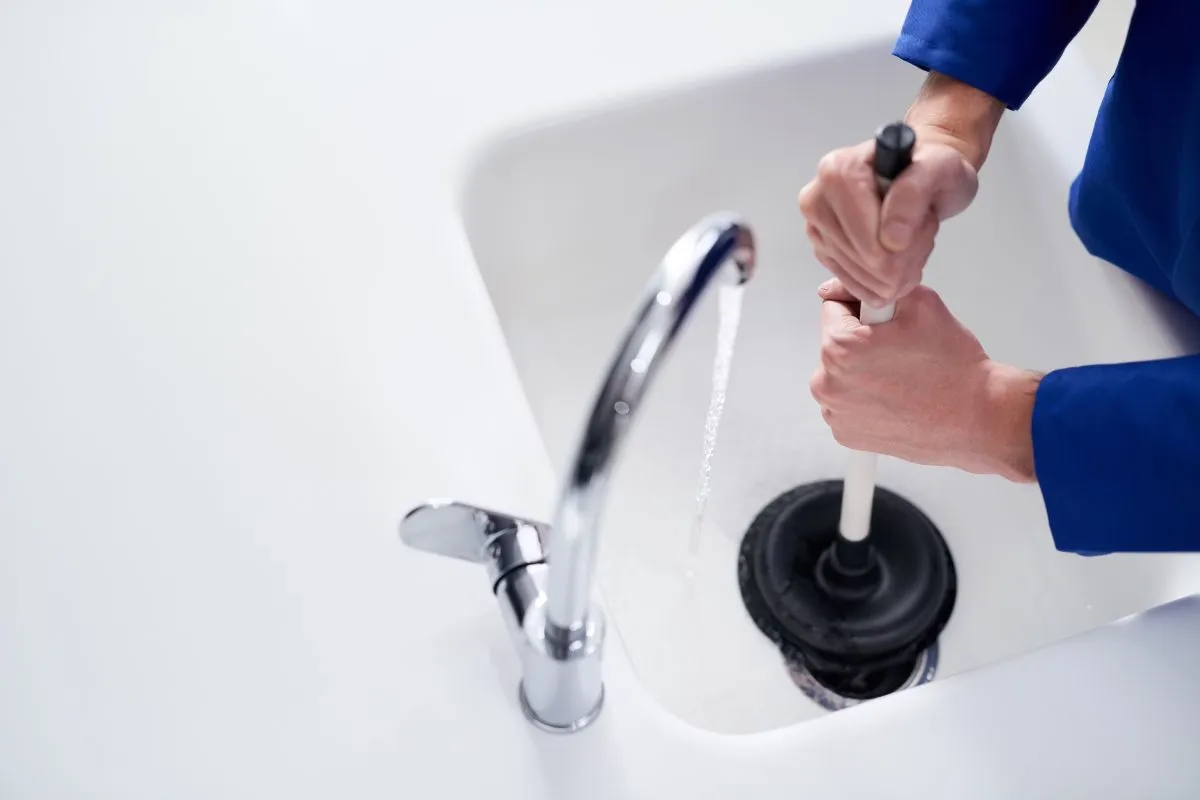
The Austin retail store utilized several key tools and products to ensure effective drain maintenance. A high-pressure water jet system cleared blockages efficiently, while enzymatic cleaners broke down organic material without harsh chemicals. Plumber’s snakes removed stubborn clogs, ensuring drains remained clear. Additionally, the store implemented regular use of drain guards to prevent debris accumulation. These solutions provided a cost-effective approach, minimizing downtime and maintaining operational efficiency. The strategic choice of tools ensured a clean, safe, and reliable environment for both staff and customers.
Results and benefits of the maintenance program
The maintenance program significantly improved store operations, reducing clog-related disruptions and enhancing overall cleanliness. The store experienced fewer plumbing emergencies, translating to reduced repair costs. This proactive approach led to increased efficiency and staff productivity. By investing in effective solutions, the store achieved notable cost savings, ensuring a consistently pleasant shopping environment for customers.
Improvements observed in store operations
The Austin store experienced significant improvements in operations. Enhanced drain systems reduced clogs, ensuring smoother daily activities. Clean drains minimized foul odors, creating a more pleasant shopping environment. Employee productivity increased due to fewer disruptions. The store also reported quicker turnaround times for maintenance tasks. Overall, customer satisfaction rose, enhancing the store’s reputation.
Cost savings and efficiency gains
Implementing a robust drain maintenance program in the Austin retail store led to significant cost savings and enhanced efficiency. The store saw reduced downtime and improved employee productivity. Key benefits include:
- Decreased emergency repair costs by 40%
- Increased lifespan of drain systems, cutting replacement expenses
- Optimized water usage, lowering utility bills by 15%
These outcomes demonstrate the value of strategic drain management, aligning with budgetary constraints while ensuring seamless operations.
Practical tips for retail store managers
- Schedule regular inspections to spot early issues.
- Use enzyme-based cleaners monthly.
- Educate staff on proper waste disposal.
- Install drain covers to prevent clogs.
- Keep a maintenance log for tracking.
- Coordinate with professional services annually.
Considering commercial drain upkeep advice, managers should prioritize consistent checks and use cost-effective solutions.
Preventative measures for maintaining clean drains
- Regularly inspect drains for blockages.
- Use enzyme-based cleaners weekly.
- Install drain covers to catch debris.
- Schedule professional cleaning quarterly.
- Educate staff on proper waste disposal.
Implementing a commercial drain cleaning schedule ensures drains remain unobstructed and operational.
Recommended maintenance schedule for retail environments
Implement a bi-weekly inspection to identify blockages early. Schedule a monthly cleaning using enzyme-based cleaners to break down debris. Conduct a quarterly review of the entire drainage system for any structural issues. This approach ensures smooth operations, preventing unexpected interruptions and costly repairs, which aligns with budget constraints and operational efficiency.
Questions and Answers
What are common drain issues faced by retail stores?
Retail stores often encounter clogs from debris, slow drainage, and foul odors. These issues can disrupt operations and affect customer experience.
How does poor drain maintenance impact store operations?
Poor maintenance can lead to water damage, increased cleaning costs, and potential health hazards. It may also cause temporary store closures.
What was the main goal of the Austin store’s maintenance plan?
The primary goal focused on ensuring efficient drainage and reducing operational disruptions. The plan aimed to create a cleaner, safer store environment.
What tools and products were used in the Austin store?
The store utilized enzyme-based cleaners and mechanical augers. These tools helped maintain clear drains and prevent future blockages.
What cost savings did the Austin store achieve?
The store significantly reduced plumbing service costs. Efficient maintenance also minimized downtime, enhancing overall productivity.